Scroll
Who They Were
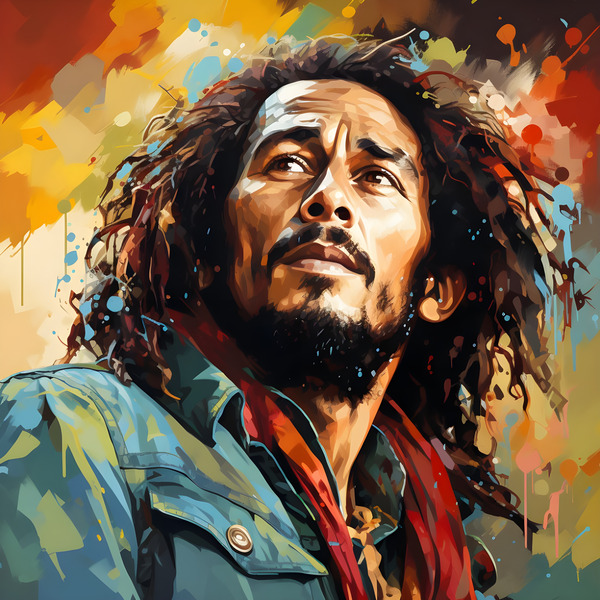
Bob Marley lived from 1945–1981 and left behind a legacy that still echoes — a life remembered for Peace, Reggae and One Love.
To meet Bob is to meet a person who refused to be small. Every chapter of their story is a study in conviction: what they believed, who they fought for, what they were willing to risk to say it out loud.
The chat below is the closest thing to a conversation with them — drawn from their own words, interviews, and documented beliefs. Ask Bob anything. Hear it back in their voice.
What They Stood For
Peace ran through everything Bob touched. It shaped the work, the words, and the way the world remembers them.
Reggae ran through everything Bob touched. It shaped the work, the words, and the way the world remembers them.
One Love ran through everything Bob touched. It shaped the work, the words, and the way the world remembers them.
Ask the Legend
Powered by AI trained on their public legacy — interviews, speeches, and documented beliefs.
💌 Want Bob Marley to speak directly to you?
Get a Personal Message — $9.99Explore Bob Marley's Legacy
As an Amazon Associate, AskTheLegends.com earns from qualifying purchases.
Their Legacy
Bob Marley is born — the beginning of a life that would change the world.
Bob becomes one of the defining voices of their era — known for Peace. Reggae. One Love.
Bob leaves the world, but the influence, the work, and the words live on.
Did You Know?
01
Norval Sinclair Marley was a white Jamaican of English descent and captain in the Royal Navy. Bob grew up in a household marked by both poverty and this unusual cross-racial heritage in 1940s Jamaica, shaping his lived understanding of unity across difference.
02
On December 3, 1976, gunmen opened fire on Bob at his home on Hope Road, Kingston, wounding him multiple times. Just two days later, he performed at the Smile Jamaica concert before 80,000 people—a prophetic act of defiance he called standing firm in his conviction.
03
Before reggae and roots rock, Bob Marley and the Wailers recorded 'Simmer Down' in 1964, a ska number that topped the Jamaican charts. The band's evolution from ska to rocksteady to reggae mirrored the island's own musical awakening.
04
Bob Marley refused amputation of his cancerous toe in 1977, citing his Rastafarian belief that the body must remain whole. He continued touring and recording until weeks before his death, never publicly confirming his illness to the press.
In Their Own Words
Emancipate yourselves from mental slavery; none but ourselves can free our minds.
One love, one heart, let's get together and feel alright.
Every man got to realize his own world, and then do the best he can in his own world.
Quotes sourced from public record.
The Question of Our Time
What would Bob Marley say about divisions in global music and politics in 2026?
Jah know, I and I see the same Babylon system—just dressed in new clothes. Whether it be music industry splits or political tribalism, it all come from the same root of greed and fear. The message never change: 'Get up, stand up' for what is right, and recognize the one consciousness flowing through all people. Music and culture—these are the strongest weapons against division, bredren. When the people unite in truth and love, no system can hold them down. One love must be the foundation, or everything crumble to dust.
— In the voice of Bob Marley, generated by AI
Go Deeper
Books
The biographies, memoirs, and writings that document Bob Marley's life and ideas.
Shop Books on AmazonMusic
The music Bob made, inspired, or was scored by — the soundtrack of their world.
Hear the Music on AmazonYou Might Also Ask…
Peace. Reggae. One Love.. They are remembered as one of the most influential figures in Music.
Bob Marley is known for their groundbreaking impact on Music. Their legacy continues to inspire millions worldwide.
Yes. AskTheLegends.com uses AI to simulate conversations with Bob Marley, letting you ask questions and get responses inspired by their real words and philosophy.
Browse Bob Marley books, albums, and documentaries on Amazon using the legacy links at the bottom of this page.
Daily Wisdom from the Legends
Get daily wisdom from the legends — free. Straight to your inbox.