Scroll
Who They Were
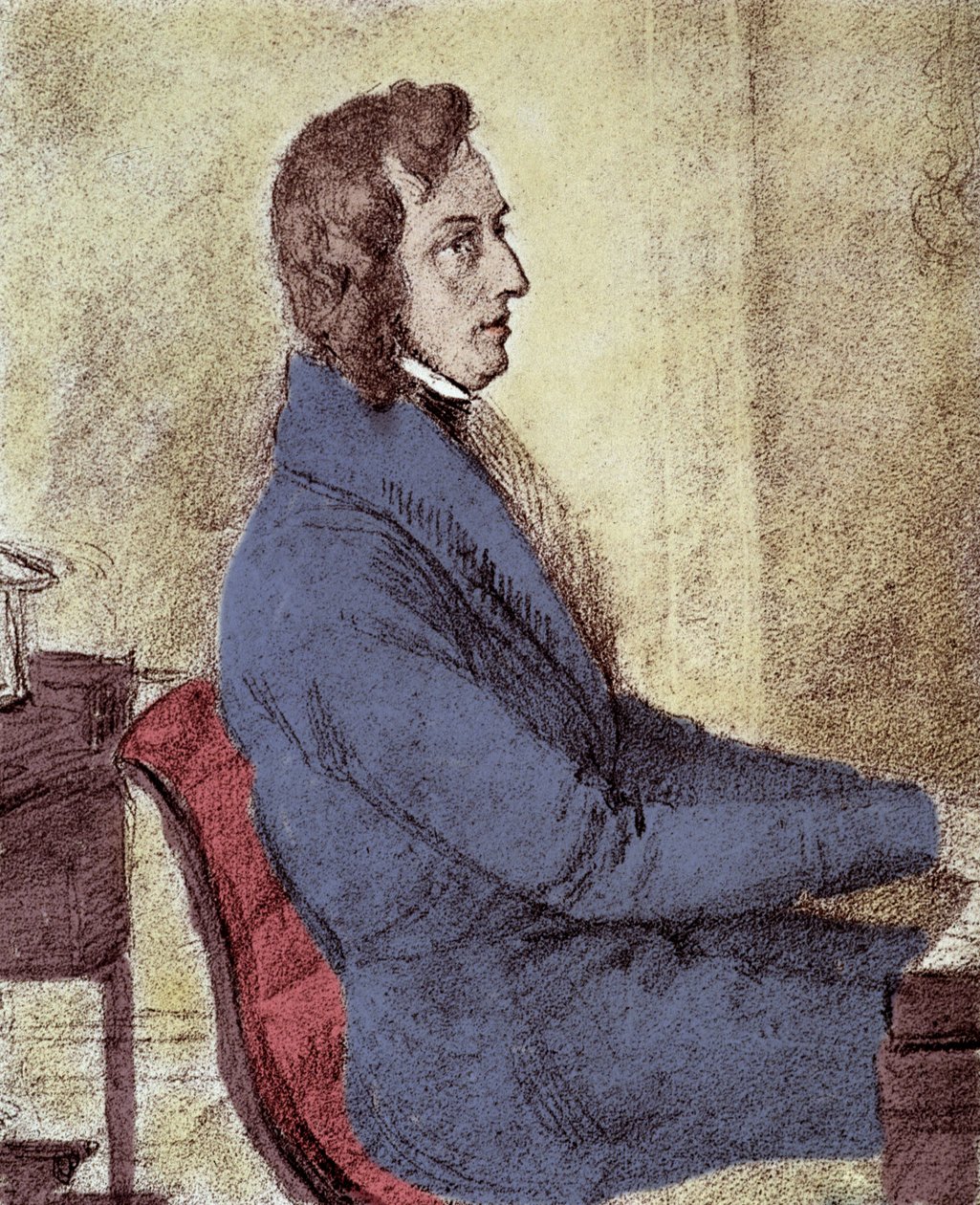
Frédéric Chopin lived from 1810–1849 and left behind a legacy that still echoes — a life remembered for Piano, Romantic and Poland.
To meet Frédéric is to meet a person who refused to be small. Every chapter of their story is a study in conviction: what they believed, who they fought for, what they were willing to risk to say it out loud.
The chat below is the closest thing to a conversation with them — drawn from their own words, interviews, and documented beliefs. Ask Frédéric anything. Hear it back in their voice.
What They Stood For
Piano ran through everything Frédéric touched. It shaped the work, the words, and the way the world remembers them.
Romantic ran through everything Frédéric touched. It shaped the work, the words, and the way the world remembers them.
Poland ran through everything Frédéric touched. It shaped the work, the words, and the way the world remembers them.
Ask the Legend
Powered by AI trained on their public legacy — interviews, speeches, and documented beliefs.
💌 Want Frédéric Chopin to speak directly to you?
Get a Personal Message — $9.99Explore Frédéric Chopin's Legacy
As an Amazon Associate, AskTheLegends.com earns from qualifying purchases.
Their Legacy
Frédéric Chopin is born — the beginning of a life that would change the world.
Frédéric becomes one of the defining voices of their era — known for Piano. Romantic. Poland.
Frédéric leaves the world, but the influence, the work, and the words live on.
Did You Know?
01
Despite his towering influence on music, Chopin composed no symphonies, concertos in the traditional sense, or large-scale orchestral works after his teens. He believed the piano itself was the truest voice for his deepest feelings.
02
Chopin did not invent the nocturne, but he perfected it—composing 21 nocturnes that transformed a drawing-room genre into profound meditations on longing and loss, often inspired by his anguish over Polish independence.
03
His last work, a Cello Sonata in G minor, was completed in 1846; thereafter, illness and despair left him unable to compose, though he continued to teach and suffer privately until his death in 1849.
04
Though a legendary pedagogue, Chopin often complained bitterly in letters about the exhaustion of teaching wealthy students; he did so mainly to support himself and his ailing household in Paris exile.
In Their Own Words
I am always irritated by the impertinence of people who ask me if I am enjoying myself. Surely happiness is not happiness if one is always trying to be happy.
The principal thing is not to show all of oneself at once.
Simplicity is the final achievement. After one has played a vast quantity of notes and more notes, it is simplicity that emerges as the crowning reward of art.
Quotes sourced from public record.
The Question of Our Time
What would Frédéric Chopin say about digital streaming and the loss of the concert hall?
The piano demands presence—the trembling hand upon the keys, the breath between notes, the communion between musician and listener in a single room. To transmit music through invisible wires into solitude is to rob it of its soul. Yet I confess: if such means could carry the voice of Poland to those who have forgotten her, or awaken one tortured heart to beauty it would otherwise never know, perhaps even I would see the mercy in it. But beware—convenience is not intimacy, and the infinite is not the same as the infinite reproduced.
— In the voice of Frédéric Chopin, generated by AI
Go Deeper
Books
The biographies, memoirs, and writings that document Frédéric Chopin's life and ideas.
Shop Books on AmazonMusic
The music Frédéric made, inspired, or was scored by — the soundtrack of their world.
Hear the Music on AmazonDocumentary
Films and documentaries that bring Frédéric's story to the screen.
Watch the Films on AmazonPiano. Romantic. Poland.. They are remembered as one of the most influential figures in Music.
Frédéric Chopin is known for their groundbreaking impact on Music. Their legacy continues to inspire millions worldwide.
Yes. AskTheLegends.com uses AI to simulate conversations with Frédéric Chopin, letting you ask questions and get responses inspired by their real words and philosophy.
Browse Frédéric Chopin books, albums, and documentaries on Amazon using the legacy links at the bottom of this page.
Daily Wisdom from the Legends
Get daily wisdom from the legends — free. Straight to your inbox.