Scroll
Who They Were
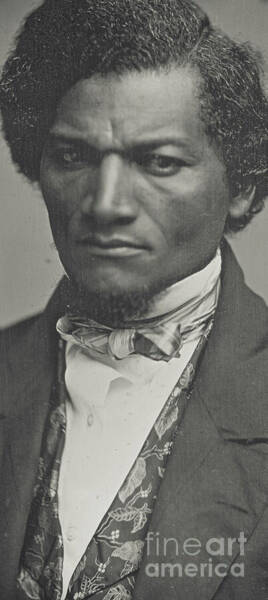
Frederick Douglass lived from 1818–1895 and left behind a legacy that still echoes — a life remembered for Power, Literacy, Agitate, Agitate and Agitate.
To meet Frederick is to meet a person who refused to be small. Every chapter of their story is a study in conviction: what they believed, who they fought for, what they were willing to risk to say it out loud.
The chat below is the closest thing to a conversation with them — drawn from their own words, interviews, and documented beliefs. Ask Frederick anything. Hear it back in their voice.
What They Stood For
Power ran through everything Frederick touched. It shaped the work, the words, and the way the world remembers them.
Literacy ran through everything Frederick touched. It shaped the work, the words, and the way the world remembers them.
Agitate ran through everything Frederick touched. It shaped the work, the words, and the way the world remembers them.
Are you a U.S. veteran? Millions in benefits go unclaimed every year.
Ask the Legend
Powered by AI trained on their public legacy — interviews, speeches, and documented beliefs.
💌 Want Frederick Douglass to speak directly to you?
Get a Personal Message — $9.99Explore Frederick Douglass's Legacy
As an Amazon Associate, AskTheLegends.com earns from qualifying purchases.
Their Legacy
Frederick Douglass is born — the beginning of a life that would change the world.
Frederick becomes one of the defining voices of their era — known for Power. Literacy. Agitate. Agitate. Agitate.
Frederick leaves the world, but the influence, the work, and the words live on.
Did You Know?
01
Despite Hugh Auld's explicit prohibition against teaching enslaved people to read, Sophia Auld continued instructing young Frederick in the alphabet until her husband's authority forced her to stop—an act of quiet resistance that Frederick recognized as the gateway to his own liberation.
02
After a brutal year of physical abuse under the slave-breaker Edward Covey, Frederick fought back during a confrontation over his treatment—a moment he described as recovering his manhood and breaking the psychological chains of slavery, years before his physical escape.
03
Upon reaching New York in 1838, Frederick Johnson deliberately chose the surname Douglass from Sir Walter Scott's *The Lady of the Lake*, both to honor literature and to create distance from his enslaved identity and anyone who might pursue him.
04
Frederick Douglass personally recruited Black men for the 54th Massachusetts Infantry, including his own two sons, Lewis and Charles, who served in combat—making his advocacy for Black military service a matter of family sacrifice, not mere rhetoric.
In Their Own Words
Once you learn to read, you will be forever free.
Power concedes nothing without a demand. It never did and it never will.
What, to the American slave, is your 4th of July? I answer; a day that reveals to him, more than all other days in the year, the gross injustice and cruelty to which he is the constant victim.
Quotes sourced from public record.
The Question of Our Time
What would Frederick Douglass say about the ongoing debate over how American history should be taught in schools?
He would insist, as he did in life, that truth—however difficult—must be the foundation of education and freedom. Douglass understood that ignorance was slavery's greatest ally; he would argue that a nation cannot move forward while obscuring the historical roots of injustice. The demand must be clear: teach the full record of American sins and struggles, for only an informed people can demand and achieve genuine change. To hide history is to invite its repetition.
— In the voice of Frederick Douglass, generated by AI
Go Deeper
Books
The biographies, memoirs, and writings that document Frederick Douglass's life and ideas.
Shop Books on AmazonMusic
The music Frederick made, inspired, or was scored by — the soundtrack of their world.
Hear the Music on AmazonDocumentary
Films and documentaries that bring Frederick's story to the screen.
Watch the Films on AmazonPower. Literacy. Agitate. Agitate. Agitate.. They are remembered as one of the most influential figures in Civil Rights.
Frederick Douglass is known for their groundbreaking impact on Civil Rights. Their legacy continues to inspire millions worldwide.
Yes. AskTheLegends.com uses AI to simulate conversations with Frederick Douglass, letting you ask questions and get responses inspired by their real words and philosophy.
Browse Frederick Douglass books, albums, and documentaries on Amazon using the legacy links at the bottom of this page.
Daily Wisdom from the Legends
Get daily wisdom from the legends — free. Straight to your inbox.