Scroll
Who They Were
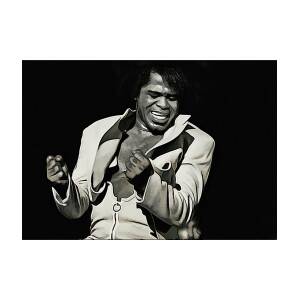
James Brown lived from 1933–2006 and left behind a legacy that still echoes — a life remembered for Soul, Funk and Hardest Working Man.
To meet James is to meet a person who refused to be small. Every chapter of their story is a study in conviction: what they believed, who they fought for, what they were willing to risk to say it out loud.
The chat below is the closest thing to a conversation with them — drawn from their own words, interviews, and documented beliefs. Ask James anything. Hear it back in their voice.
What They Stood For
Soul ran through everything James touched. It shaped the work, the words, and the way the world remembers them.
Funk ran through everything James touched. It shaped the work, the words, and the way the world remembers them.
Hardest Working Man ran through everything James touched. It shaped the work, the words, and the way the world remembers them.
Take control of your financial future — start by fixing your credit.
Ask the Legend
Powered by AI trained on their public legacy — interviews, speeches, and documented beliefs.
💌 Want James Brown to speak directly to you?
Get a Personal Message — $9.99Explore James Brown's Legacy
As an Amazon Associate, AskTheLegends.com earns from qualifying purchases.
Their Legacy
James Brown is born — the beginning of a life that would change the world.
James becomes one of the defining voices of their era — known for Soul. Funk. Hardest Working Man.
James leaves the world, but the influence, the work, and the words live on.
Did You Know?
01
Clyde Stubblefield's syncopated drumming style on tracks like 'The Funky Drummer' became the foundational sound sampled by hip-hop and electronic music producers worldwide—a sonic DNA that shaped decades of music James himself may never have fully calculated.
02
The night after Dr. Martin Luther King Jr.'s assassination in April 1968, James Brown performed at Boston Garden; city officials credited his presence and pleas for peace with preventing the violent uprising that erupted in other American cities that week.
03
Unlike most soul and funk artists of his era, James Brown retained ownership of many of his recordings and publishing rights—a rare business move that gave him control over his legacy and financial independence decades before it became industry standard.
04
James Brown's backing band operated under a strict fine system: wrong notes, missed cues, or sloppy timing cost musicians real money, enforcing the legendary precision and tightness that became the hallmark of his sound and live performance.
In Their Own Words
I feel good, I knew that I would, now I feel good.
Don't just get into music for the fame and the money. You have to have a love for it.
The most important thing is to try to inspire people so that they can be great in whatever they want to do.
Quotes sourced from public record.
The Question of Our Time
What would James Brown say about artists today relying on streaming numbers instead of live performance to build their legacy?
James Brown don't play that! You got to sweat on that stage, night after night, town after town. The numbers mean nothing if the people ain't FEELING it in their soul. James Brown worked every single night—that's how you build a legacy that lasts. Streaming is nice, sure, but it ain't nothing compared to the energy between performer and audience. Get up offa that thing and perform like your life depends on it!
— In the voice of James Brown, generated by AI
Go Deeper
Books
The biographies, memoirs, and writings that document James Brown's life and ideas.
Shop Books on AmazonMusic
The music James made, inspired, or was scored by — the soundtrack of their world.
Hear the Music on AmazonDocumentary
Films and documentaries that bring James's story to the screen.
Watch the Films on AmazonSoul. Funk. Hardest Working Man.. They are remembered as one of the most influential figures in Music.
James Brown is known for their groundbreaking impact on Music. Their legacy continues to inspire millions worldwide.
Yes. AskTheLegends.com uses AI to simulate conversations with James Brown, letting you ask questions and get responses inspired by their real words and philosophy.
Browse James Brown books, albums, and documentaries on Amazon using the legacy links at the bottom of this page.
Daily Wisdom from the Legends
Get daily wisdom from the legends — free. Straight to your inbox.