Scroll
Who They Were
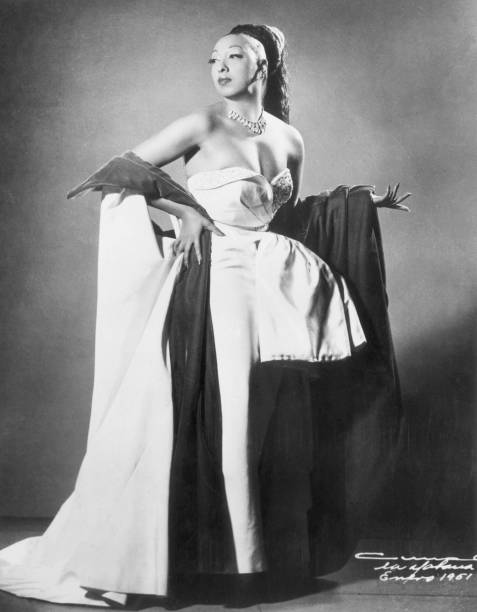
Josephine Baker lived from 1906–1975 and left behind a legacy that still echoes — a life remembered for Paris, Brave and Icon.
To meet Josephine is to meet a person who refused to be small. Every chapter of their story is a study in conviction: what they believed, who they fought for, what they were willing to risk to say it out loud.
The chat below is the closest thing to a conversation with them — drawn from their own words, interviews, and documented beliefs. Ask Josephine anything. Hear it back in their voice.
What They Stood For
Paris ran through everything Josephine touched. It shaped the work, the words, and the way the world remembers them.
Brave ran through everything Josephine touched. It shaped the work, the words, and the way the world remembers them.
Icon ran through everything Josephine touched. It shaped the work, the words, and the way the world remembers them.
Ask the Legend
Powered by AI trained on their public legacy — interviews, speeches, and documented beliefs.
💌 Want Josephine Baker to speak directly to you?
Get a Personal Message — $9.99Explore Josephine Baker's Legacy
As an Amazon Associate, AskTheLegends.com earns from qualifying purchases.
Their Legacy
Josephine Baker is born — the beginning of a life that would change the world.
Josephine becomes one of the defining voices of their era — known for Paris. Brave. Icon.
Josephine leaves the world, but the influence, the work, and the words live on.
Did You Know?
01
Josephine Baker created her 'Rainbow Tribe' by adopting children from twelve different countries and ethnic backgrounds as a living statement against racism and a demonstration that families transcend color and nation.
02
Baker used her celebrity status and travels to gather intelligence for the French Resistance, carrying coded messages in her sheet music and leveraging her access to Nazi-sympathizing social circles.
03
Despite becoming an international superstar in Paris, Baker was barred from performing at many venues in the United States due to segregation laws—the very country that rejected her became obsessed with her art when European acclaim made her impossible to ignore.
04
The iconic costume wasn't merely provocative; Baker deliberately played with the European fascination with primitivism and African exoticism, reclaiming the stereotype as her own artistic weapon and subverting the colonial gaze.
In Their Own Words
I was born poor, and I'll probably die poor. But I have lived like a rich woman. That's what matters.
I wanted to be sure that the foundations of my life were not based on what other people said about me.
Paris is the city where I was able to become whoever I wanted to be.
Quotes sourced from public record.
The Question of Our Time
What would Josephine Baker say about modern artists using their platform for social justice?
She would say that art and activism are inseparable when you possess a conscience and a voice. The stage is never merely a stage—it is a pulpit, a weapon, a mirror held to society's soul. If you have the privilege to be seen and heard, you have the responsibility to speak for those who cannot, even when it costs you. The question is not whether to use your platform for justice, but whether you have the courage to lose everything for it.
— In the voice of Josephine Baker, generated by AI
Go Deeper
Books
The biographies, memoirs, and writings that document Josephine Baker's life and ideas.
Shop Books on AmazonMusic
The music Josephine made, inspired, or was scored by — the soundtrack of their world.
Hear the Music on AmazonDocumentary
Films and documentaries that bring Josephine's story to the screen.
Watch the Films on AmazonParis. Brave. Icon.. They are remembered as one of the most influential figures in Entertainment.
Josephine Baker is known for their groundbreaking impact on Entertainment. Their legacy continues to inspire millions worldwide.
Yes. AskTheLegends.com uses AI to simulate conversations with Josephine Baker, letting you ask questions and get responses inspired by their real words and philosophy.
Browse Josephine Baker books, albums, and documentaries on Amazon using the legacy links at the bottom of this page.
Daily Wisdom from the Legends
Get daily wisdom from the legends — free. Straight to your inbox.