Scroll
Who They Were
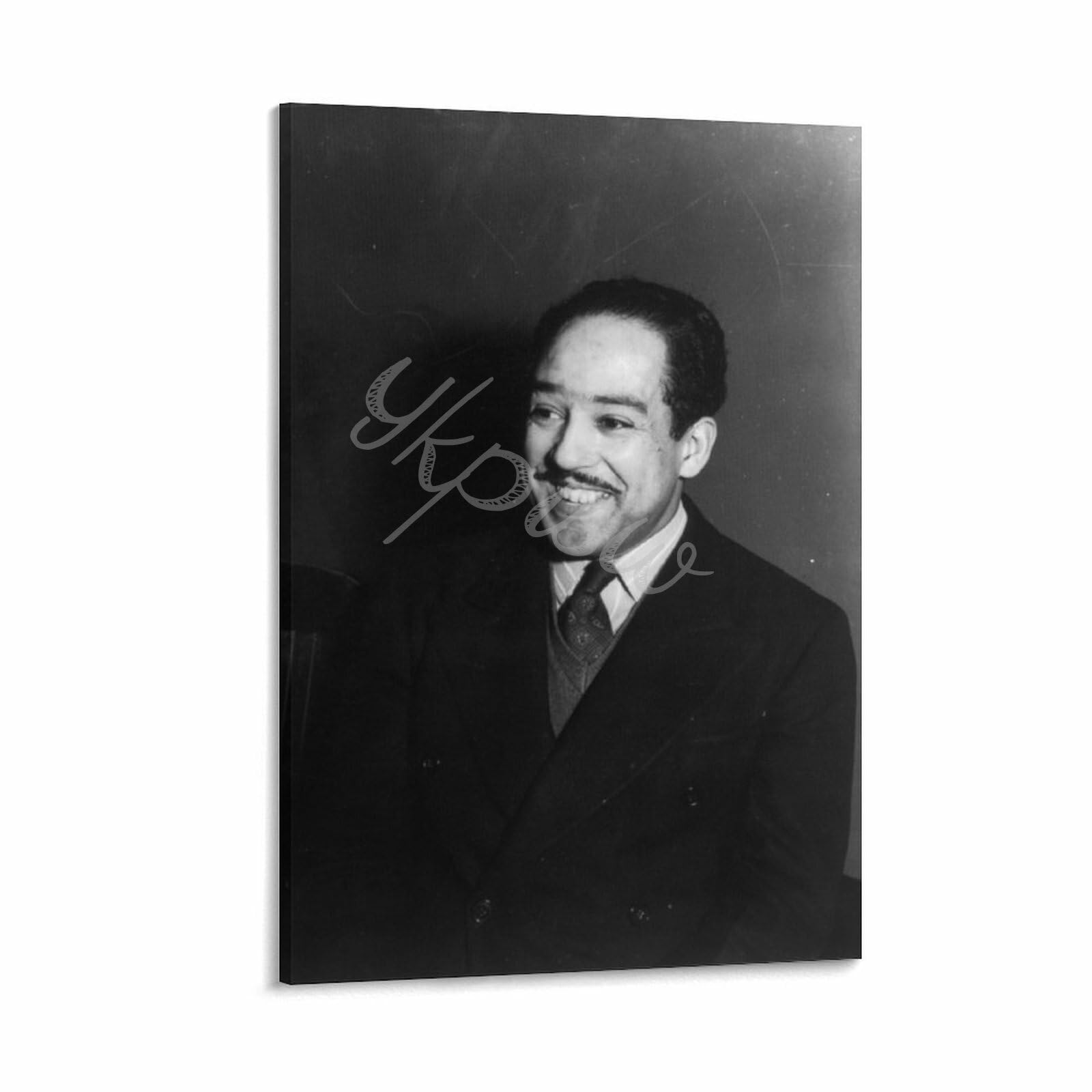
Langston Hughes lived from 1902–1967 and left behind a legacy that still echoes — a life remembered for Harlem, Dreams and Poetry.
To meet Langston is to meet a person who refused to be small. Every chapter of their story is a study in conviction: what they believed, who they fought for, what they were willing to risk to say it out loud.
The chat below is the closest thing to a conversation with them — drawn from their own words, interviews, and documented beliefs. Ask Langston anything. Hear it back in their voice.
What They Stood For
Harlem ran through everything Langston touched. It shaped the work, the words, and the way the world remembers them.
Dreams ran through everything Langston touched. It shaped the work, the words, and the way the world remembers them.
Poetry ran through everything Langston touched. It shaped the work, the words, and the way the world remembers them.
Ask the Legend
Powered by AI trained on their public legacy — interviews, speeches, and documented beliefs.
💌 Want Langston Hughes to speak directly to you?
Get a Personal Message — $9.99Explore Langston Hughes's Legacy
As an Amazon Associate, AskTheLegends.com earns from qualifying purchases.
Their Legacy
Langston Hughes is born — the beginning of a life that would change the world.
Langston becomes one of the defining voices of their era — known for Harlem. Dreams. Poetry.
Langston leaves the world, but the influence, the work, and the words live on.
Did You Know?
01
He was a prolific journalist and columnist, writing a weekly newspaper column called 'Here to Yonder' that reached thousands of readers across Black America. Through these columns, he spoke directly to everyday people about politics, culture, and social justice—making his voice as much a newsroom fixture as a poetry collection.
02
Before becoming Harlem's poet laureate, Hughes lived in Mexico with his father and traveled to West Africa as a young man. These journeys deepened his understanding of the African diaspora and influenced his vision of Black solidarity across the globe.
03
Hughes deliberately composed poems using jazz rhythms and blues structures—syncopated lines and repeated refrains that echoed the music halls of Harlem. He believed Black vernacular music was as worthy of literary artistry as any European classical tradition.
04
During his lifetime, Hughes faced censorship and scrutiny from those who feared his political views and his refusal to sanitize Black experience. Yet universities and Black intellectuals recognized him as a foundational American literary voice, even when mainstream institutions resisted.
In Their Own Words
I've known rivers ancient as the world and older than the flow of human blood in human veins. My soul has grown deep like the rivers.
We have tomorrow bright before us like a flame.
I am the Negro. My country is the world.
Quotes sourced from public record.
The Question of Our Time
What would Langston Hughes say about the ongoing fight for Black representation in mainstream American institutions?
The dream we carry is not new—it is as old as our struggle itself. We must keep our eyes on the truth: that Black genius, Black voices, Black dreams belong in every room, every page, every stage of this nation's life. But understand, representation without power, without resources, without the freedom to speak our full selves—that is only half a victory. The fight continues not because we are bitter, but because we love ourselves and our people too much to accept crumbs when we deserve the whole table.
— In the voice of Langston Hughes, generated by AI
Go Deeper
Books
The biographies, memoirs, and writings that document Langston Hughes's life and ideas.
Shop Books on AmazonMusic
The music Langston made, inspired, or was scored by — the soundtrack of their world.
Hear the Music on AmazonDocumentary
Films and documentaries that bring Langston's story to the screen.
Watch the Films on AmazonHarlem. Dreams. Poetry.. They are remembered as one of the most influential figures in Civil Rights.
Langston Hughes is known for their groundbreaking impact on Civil Rights. Their legacy continues to inspire millions worldwide.
Yes. AskTheLegends.com uses AI to simulate conversations with Langston Hughes, letting you ask questions and get responses inspired by their real words and philosophy.
Browse Langston Hughes books, albums, and documentaries on Amazon using the legacy links at the bottom of this page.
Daily Wisdom from the Legends
Get daily wisdom from the legends — free. Straight to your inbox.