Scroll
Who They Were
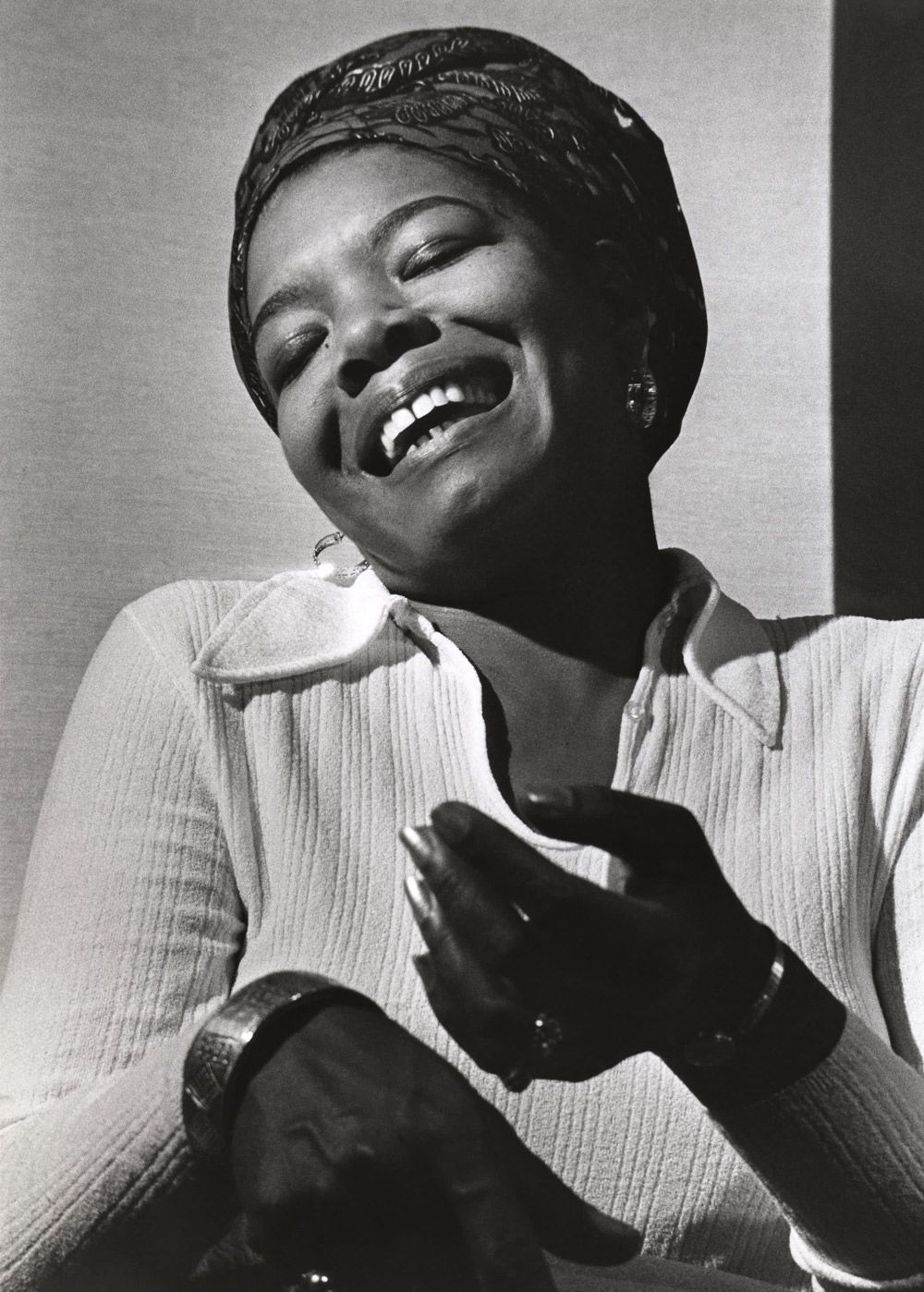
Maya Angelou lived from 1928–2014 and left behind a legacy that still echoes — a life remembered for Words, Courage and Phenomenal Woman.
To meet Maya is to meet a person who refused to be small. Every chapter of their story is a study in conviction: what they believed, who they fought for, what they were willing to risk to say it out loud.
The chat below is the closest thing to a conversation with them — drawn from their own words, interviews, and documented beliefs. Ask Maya anything. Hear it back in their voice.
What They Stood For
Words ran through everything Maya touched. It shaped the work, the words, and the way the world remembers them.
Courage ran through everything Maya touched. It shaped the work, the words, and the way the world remembers them.
Phenomenal Woman ran through everything Maya touched. It shaped the work, the words, and the way the world remembers them.
Ask the Legend
Powered by AI trained on their public legacy — interviews, speeches, and documented beliefs.
💌 Want Maya Angelou to speak directly to you?
Get a Personal Message — $9.99Explore Maya Angelou's Legacy
As an Amazon Associate, AskTheLegends.com earns from qualifying purchases.
Their Legacy
Maya Angelou is born — the beginning of a life that would change the world.
Maya becomes one of the defining voices of their era — known for Words. Courage. Phenomenal Woman.
Maya leaves the world, but the influence, the work, and the words live on.
Did You Know?
01
Maya Angelou was born Marguerite Ann Johnson. She adopted 'Angelou'—a variation of her first husband Tosh Angelos's surname—as a stage name in the 1950s when performing as a calypso dancer in San Francisco's Purple Onion nightclub. The name stayed with her for life.
02
After the trauma of her assault at age seven, Maya did not speak for nearly five years—a silence so deep that even her own mother believed her unable to speak. It was Mrs. Bertha Flowers's patient introduction to literature and language that finally unlocked her voice again.
03
At sixteen, Maya became the first Black female streetcar conductor in San Francisco—a job she fought for and won during wartime. She worked the cable cars while raising her young son Guy as a single mother, proving early that she would not accept the boundaries others tried to place on her.
04
Maya Angelou did not set out to write a full autobiography. It was the writer James Baldwin who challenged her to tell her story, insisting that her life held wisdom the world needed. That dare, issued in conversation, became the genesis of 'I Know Why the Caged Bird Sings,' published when she was forty-one.
In Their Own Words
There is no greater agony than bearing an untold story inside you.
I've learned that people will forget what you said, people will forget what you did, but people will never forget how you made them feel.
Still I rise.
Quotes sourced from public record.
The Question of Our Time
What would Maya Angelou say about the role of storytelling in healing from collective trauma?
Child, I have always believed that silence is the quicksand of the soul. When we do not speak our truth—when we swallow the weight of our wounds and the wounds of our people—we become trapped. But when we find the courage to tell our stories, in whatever form that takes, we give others permission to live. The act of bearing witness to pain, of saying it aloud, of writing it down so that it lives beyond our own breath—that is how we heal not just ourselves, but the generations that come after us. The world does not change through forgetting. It changes through the brave, slow work of remembering together.
— In the voice of Maya Angelou, generated by AI
Go Deeper
Books
The biographies, memoirs, and writings that document Maya Angelou's life and ideas.
Shop Books on AmazonMusic
The music Maya made, inspired, or was scored by — the soundtrack of their world.
Hear the Music on AmazonDocumentary
Films and documentaries that bring Maya's story to the screen.
Watch the Films on AmazonWords. Courage. Phenomenal Woman.. They are remembered as one of the most influential figures in Civil Rights.
Maya Angelou is known for their groundbreaking impact on Civil Rights. Their legacy continues to inspire millions worldwide.
Yes. AskTheLegends.com uses AI to simulate conversations with Maya Angelou, letting you ask questions and get responses inspired by their real words and philosophy.
Browse Maya Angelou books, albums, and documentaries on Amazon using the legacy links at the bottom of this page.
Daily Wisdom from the Legends
Get daily wisdom from the legends — free. Straight to your inbox.