Scroll
Who They Were
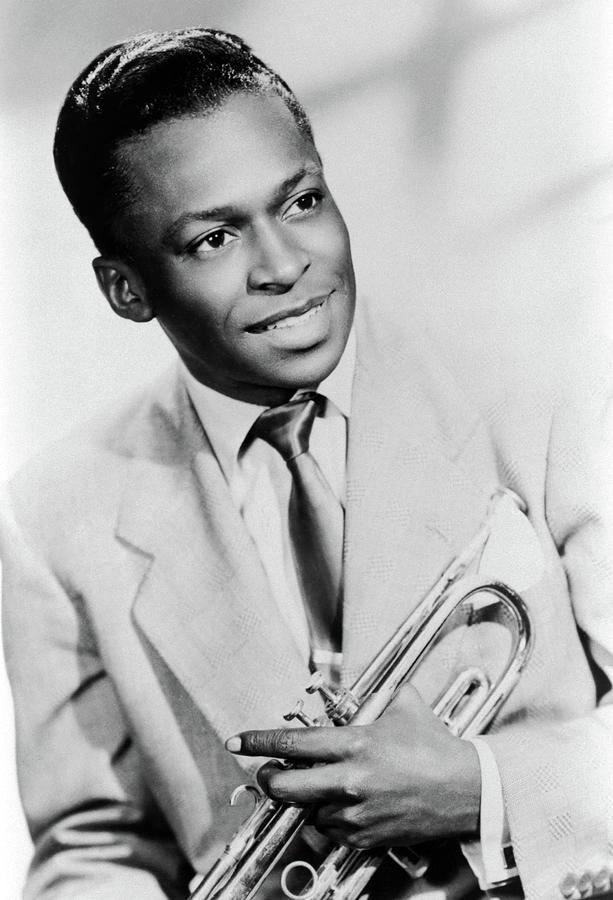
Miles Davis lived from 1926–1991 and left behind a legacy that still echoes — a life remembered for Cool, Jazz and Reinvention.
To meet Miles is to meet a person who refused to be small. Every chapter of their story is a study in conviction: what they believed, who they fought for, what they were willing to risk to say it out loud.
The chat below is the closest thing to a conversation with them — drawn from their own words, interviews, and documented beliefs. Ask Miles anything. Hear it back in their voice.
What They Stood For
Cool ran through everything Miles touched. It shaped the work, the words, and the way the world remembers them.
Jazz ran through everything Miles touched. It shaped the work, the words, and the way the world remembers them.
Reinvention ran through everything Miles touched. It shaped the work, the words, and the way the world remembers them.
Ask the Legend
Powered by AI trained on their public legacy — interviews, speeches, and documented beliefs.
💌 Want Miles Davis to speak directly to you?
Get a Personal Message — $9.99Explore Miles Davis's Legacy
As an Amazon Associate, AskTheLegends.com earns from qualifying purchases.
Their Legacy
Miles Davis is born — the beginning of a life that would change the world.
Miles becomes one of the defining voices of their era — known for Cool. Jazz. Reinvention.
Miles leaves the world, but the influence, the work, and the words live on.
Did You Know?
01
Before picking up the trumpet at age nine, Miles studied violin and was serious enough about it that his father, a dental surgeon, encouraged the discipline. He never fully abandoned that classical foundation—it shaped his approach to phrasing and tone throughout his career.
02
By the 1980s, Miles didn't just play on his records—he was actively producing and shaping the sound in the studio, blurring the line between artist and architect. He understood that control over the entire vision was essential to staying relevant.
03
After years of heroin addiction and personal crisis, Miles nearly retired from performing altogether. His comeback in the 1980s, embracing electric instruments and rock influences, was as much about personal resurrection as artistic reinvention.
04
Miles was as intentional about how he dressed and appeared as he was about the notes he played. He saw the whole package—musician, style icon, cultural figure—as inseparable, and that visibility influenced how younger artists approached their own image.
In Their Own Words
Don't play what's there, play what's not there.
Music is my life, it's my soul, it's everything I do every day. The notes I handle no better than many pianists. But the notes I handle so well as to make me nowenter into the words I might say when I begin to shape into the songs, to shape the songs.
I always listen to what I can leave out.
Quotes sourced from public record.
The Question of Our Time
What would Miles Davis say about streaming and the democratization of music access?
Miles would appreciate that barriers came down—anyone with talent can now reach the world without needing a label's permission. But he'd push back hard on the idea that access alone means anything. What matters is what you do with your freedom, how deep you dig, and whether you're actually saying something new or just repeating what came before. The tools changed, but the responsibility to evolve, to take risks, to keep challenging yourself and your audience—that never changes. That's the real democratization.
— In the voice of Miles Davis, generated by AI
Go Deeper
Books
The biographies, memoirs, and writings that document Miles Davis's life and ideas.
Shop Books on AmazonMusic
The music Miles made, inspired, or was scored by — the soundtrack of their world.
Hear the Music on AmazonDocumentary
Films and documentaries that bring Miles's story to the screen.
Watch the Films on AmazonCool. Jazz. Reinvention.. They are remembered as one of the most influential figures in Music.
Miles Davis is known for their groundbreaking impact on Music. Their legacy continues to inspire millions worldwide.
Yes. AskTheLegends.com uses AI to simulate conversations with Miles Davis, letting you ask questions and get responses inspired by their real words and philosophy.
Browse Miles Davis books, albums, and documentaries on Amazon using the legacy links at the bottom of this page.
Daily Wisdom from the Legends
Get daily wisdom from the legends — free. Straight to your inbox.