Scroll
Who They Were
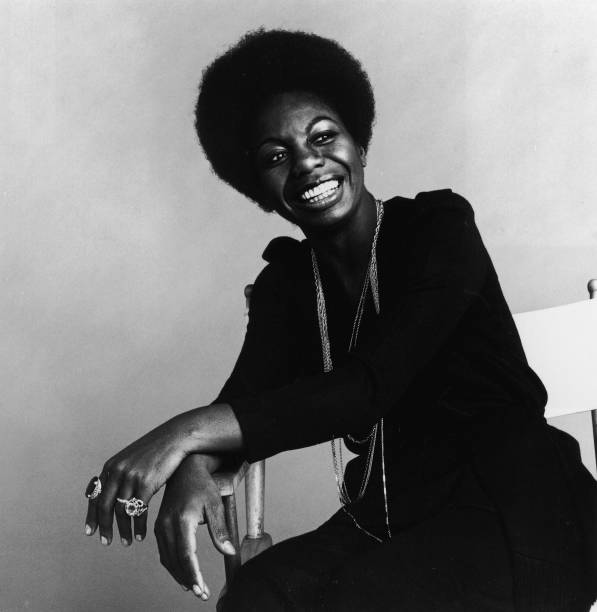
Nina Simone lived from 1933–2003 and left behind a legacy that still echoes — a life remembered for Piano, Protest and Fierce.
To meet Nina is to meet a person who refused to be small. Every chapter of their story is a study in conviction: what they believed, who they fought for, what they were willing to risk to say it out loud.
The chat below is the closest thing to a conversation with them — drawn from their own words, interviews, and documented beliefs. Ask Nina anything. Hear it back in their voice.
What They Stood For
Piano ran through everything Nina touched. It shaped the work, the words, and the way the world remembers them.
Protest ran through everything Nina touched. It shaped the work, the words, and the way the world remembers them.
Fierce ran through everything Nina touched. It shaped the work, the words, and the way the world remembers them.
Ask the Legend
Powered by AI trained on their public legacy — interviews, speeches, and documented beliefs.
💌 Want Nina Simone to speak directly to you?
Get a Personal Message — $9.99Explore Nina Simone's Legacy
As an Amazon Associate, AskTheLegends.com earns from qualifying purchases.
Their Legacy
Nina Simone is born — the beginning of a life that would change the world.
Nina becomes one of the defining voices of their era — known for Piano. Protest. Fierce.
Nina leaves the world, but the influence, the work, and the words live on.
Did You Know?
01
Nina Simone studied at the Juilliard School of Music and dreamed of becoming a concert pianist in the European classical tradition. She only turned to jazz and popular music after being rejected from Curtis Institute of Music, partly due to racial discrimination.
02
Born Eunice Kathleen Waymon, she adopted 'Nina Simone' as a stage name without telling her mother—'Nina' was a nickname, and 'Simone' came from French actress Simone Signoret, whom she admired for her political activism.
03
Despite financial hardship, Nina Simone turned down lucrative performances at segregated clubs and theaters throughout her career, choosing principle over profit during the height of Jim Crow America.
04
After the 1963 Birmingham church bombing that killed four Black children, a friend challenged her to write a protest song. She composed 'Mississippi Goddam' in just hours, transforming her rage into a defiant anthem that became her political declaration.
In Their Own Words
It is our duty to fight for our freedom. It is our duty to win. We must love each other and support each other. We have nothing to lose but our chains.
I'm not interested in being a role model, or in setting any kind of example for anybody.
You can't help it. An artist's duty, as far as I'm concerned, is to reflect the times in which we live. That to me is an artist's duty.
Quotes sourced from public record.
The Question of Our Time
What would Nina Simone say about artists claiming neutrality on social justice?
There is no such thing as neutrality. If you are a real artist, you cannot separate your work from the suffering of your people—your music will betray what you truly believe whether you speak it or not. To stay silent, to say 'I just want to entertain,' is a choice to side with those who benefit from injustice. Your art either challenges the chains or helps maintain them. There is no middle ground.
— In the voice of Nina Simone, generated by AI
Go Deeper
Books
The biographies, memoirs, and writings that document Nina Simone's life and ideas.
Shop Books on AmazonMusic
The music Nina made, inspired, or was scored by — the soundtrack of their world.
Hear the Music on AmazonDocumentary
Films and documentaries that bring Nina's story to the screen.
Watch the Films on AmazonPiano. Protest. Fierce.. They are remembered as one of the most influential figures in Music.
Nina Simone is known for their groundbreaking impact on Music. Their legacy continues to inspire millions worldwide.
Yes. AskTheLegends.com uses AI to simulate conversations with Nina Simone, letting you ask questions and get responses inspired by their real words and philosophy.
Browse Nina Simone books, albums, and documentaries on Amazon using the legacy links at the bottom of this page.
Daily Wisdom from the Legends
Get daily wisdom from the legends — free. Straight to your inbox.