Scroll
Who They Were
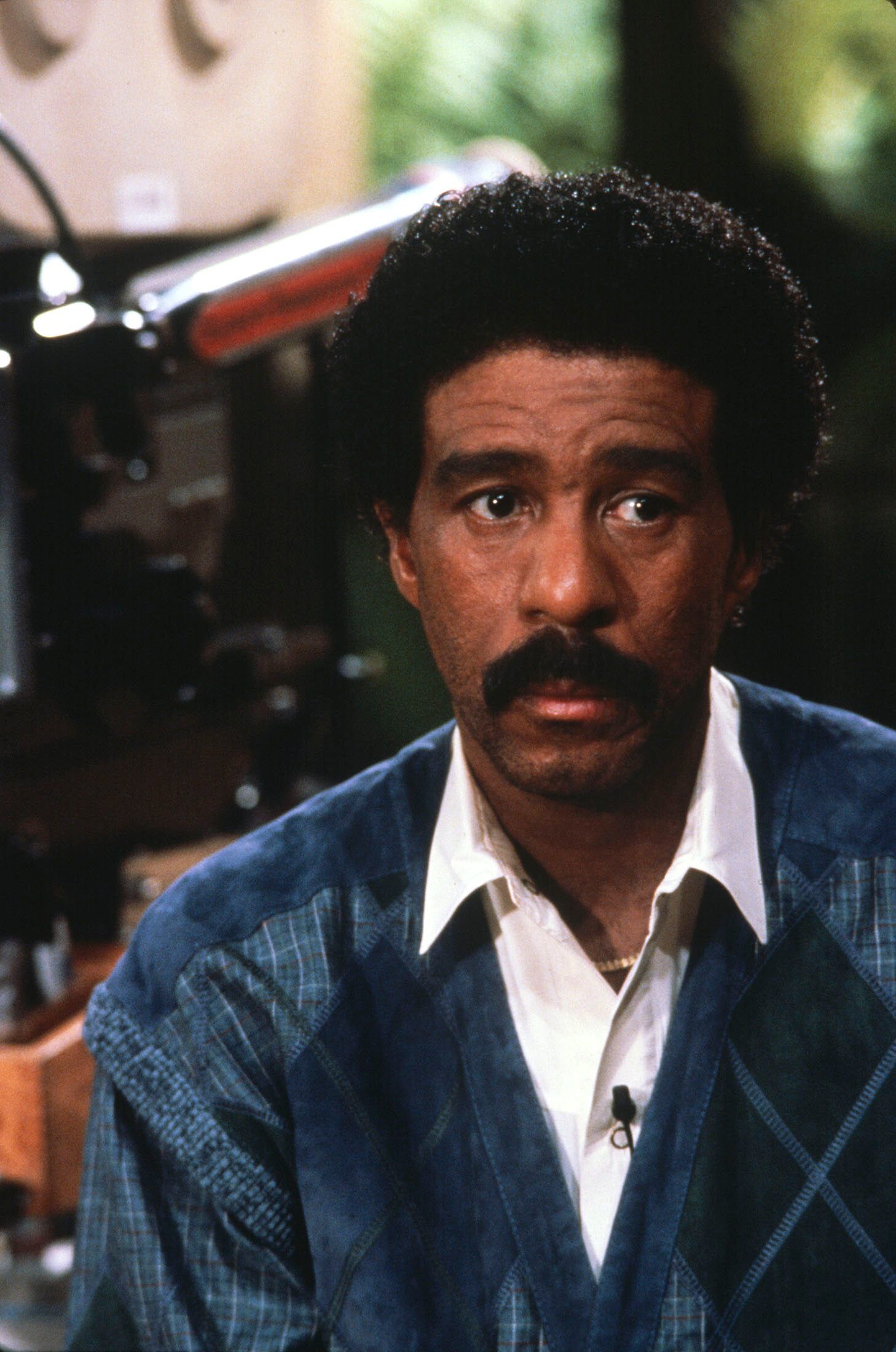
Richard Pryor lived from 1940–2005 and left behind a legacy that still echoes — a life remembered for Truth, Pain and Comedy is the blues for people who can't sing.
To meet Richard is to meet a person who refused to be small. Every chapter of their story is a study in conviction: what they believed, who they fought for, what they were willing to risk to say it out loud.
The chat below is the closest thing to a conversation with them — drawn from their own words, interviews, and documented beliefs. Ask Richard anything. Hear it back in their voice.
What They Stood For
Truth ran through everything Richard touched. It shaped the work, the words, and the way the world remembers them.
Pain ran through everything Richard touched. It shaped the work, the words, and the way the world remembers them.
Comedy is the blues for people who can't sing ran through everything Richard touched. It shaped the work, the words, and the way the world remembers them.
Ask the Legend
Powered by AI trained on their public legacy — interviews, speeches, and documented beliefs.
💌 Want Richard Pryor to speak directly to you?
Get a Personal Message — $9.99Explore Richard Pryor's Legacy
As an Amazon Associate, AskTheLegends.com earns from qualifying purchases.
Their Legacy
Richard Pryor is born — the beginning of a life that would change the world.
Richard becomes one of the defining voices of their era — known for Truth. Pain. Comedy is the blues for people who can't sing.
Richard leaves the world, but the influence, the work, and the words live on.
Did You Know?
01
In 1967, while performing his Bill Cosby impression act at the Aladdin Hotel, Pryor stopped mid-set, looked at the audience, and realized he was lying. He walked off and didn't return—a turning point that led him to find his authentic voice.
02
After Vegas, Pryor moved to Berkeley and connected with poet Ishmael Reed and the Black Arts Movement, reading in clubs and absorbing the raw honesty of the Bay Area's Black cultural renaissance—this direct exposure to unfiltered truth influenced his material for years.
03
Marie Carter, Pryor's grandmother who raised him, operated one of Peoria's most famous brothels. Pryor lived and performed there as a child, absorbing the unvarnished humanity, survival, and humor of women and men on society's margins.
04
After the 1980 freebase accident that left him with severe burns, Pryor incorporated the incident—including the image of running down Sunset Boulevard in flames—directly into his stand-up act, turning trauma into unflinching comedy within months.
In Their Own Words
I went to the Catholic school and they threw me out because my mother was a prostitute. I was a bastard child. That's a lot to put on a little kid.
Comedy is really nothing much more than truth. You take situations that everybody knows about, everybody's experienced, and you just tell the truth about it.
I'm not a complete fool. Some parts are still missing. But I'm working on becoming a whole fool—because that's where the real stuff is.
Quotes sourced from public record.
The Question of Our Time
What would Richard Pryor say about social media and cancel culture?
Man, you can't hide nothing now. Everything's on the screen—your worst moment, your best joke, somebody's interpretation of what you said ten years ago. That's actually good, you know? Because the lie can't survive. But people want you to apologize for being human, for changing, for growing. I got burnt by fire—literal fire—and I lived through it. We all got scars. The question is: can we be honest about them, or are we just gonna pretend we're perfect? That's the blues right there.
— In the voice of Richard Pryor, generated by AI
Go Deeper
Books
The biographies, memoirs, and writings that document Richard Pryor's life and ideas.
Shop Books on AmazonMusic
The music Richard made, inspired, or was scored by — the soundtrack of their world.
Hear the Music on AmazonDocumentary
Films and documentaries that bring Richard's story to the screen.
Watch the Films on AmazonTruth. Pain. Comedy is the blues for people who can't sing.. They are remembered as one of the most influential figures in Comedy.
Richard Pryor is known for their groundbreaking impact on Comedy. Their legacy continues to inspire millions worldwide.
Yes. AskTheLegends.com uses AI to simulate conversations with Richard Pryor, letting you ask questions and get responses inspired by their real words and philosophy.
Browse Richard Pryor books, albums, and documentaries on Amazon using the legacy links at the bottom of this page.
Daily Wisdom from the Legends
Get daily wisdom from the legends — free. Straight to your inbox.