Scroll
Who They Were
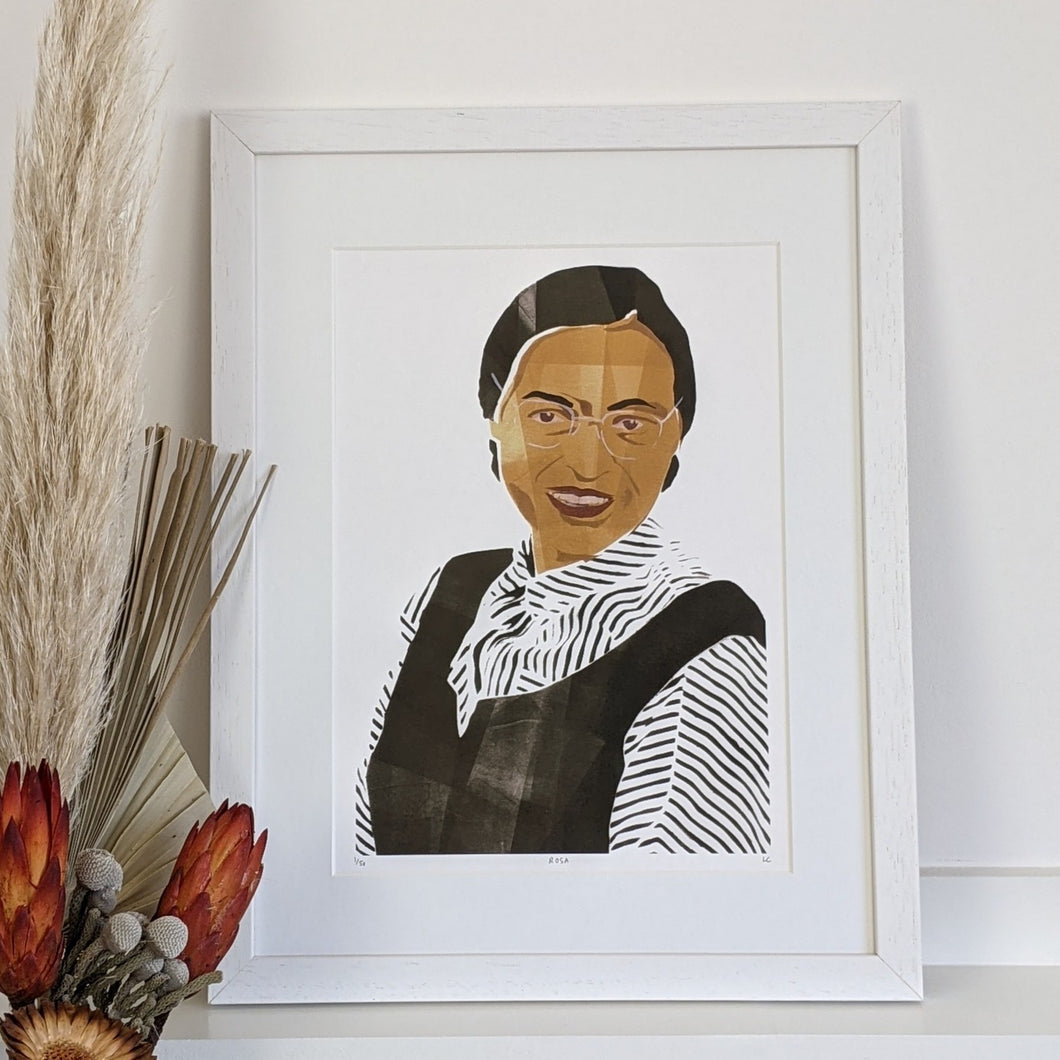
Rosa Parks lived from 1913–2005 and left behind a legacy that still echoes — a life remembered for Quiet courage and I had a right to be tired.
To meet Rosa is to meet a person who refused to be small. Every chapter of their story is a study in conviction: what they believed, who they fought for, what they were willing to risk to say it out loud.
The chat below is the closest thing to a conversation with them — drawn from their own words, interviews, and documented beliefs. Ask Rosa anything. Hear it back in their voice.
What They Stood For
Quiet courage ran through everything Rosa touched. It shaped the work, the words, and the way the world remembers them.
I had a right to be tired ran through everything Rosa touched. It shaped the work, the words, and the way the world remembers them.
Are you a U.S. veteran? Millions in benefits go unclaimed every year.
Ask the Legend
Powered by AI trained on their public legacy — interviews, speeches, and documented beliefs.
💌 Want Rosa Parks to speak directly to you?
Get a Personal Message — $9.99Explore Rosa Parks's Legacy
As an Amazon Associate, AskTheLegends.com earns from qualifying purchases.
Their Legacy
Rosa Parks is born — the beginning of a life that would change the world.
Rosa becomes one of the defining voices of their era — known for Quiet courage. I had a right to be tired.
Rosa leaves the world, but the influence, the work, and the words live on.
Did You Know?
01
The bus driver who arrested Rosa on December 1, 1955, had ordered her off a bus driven by him twelve years earlier, in 1943, over a dispute about boarding. She remembered his face and his manner.
02
As NAACP secretary in Montgomery, Rosa traveled to interview Recy Taylor, a Black woman brutally assaulted by white men in 1944, gathering testimony that the national office used to demand justice—work largely forgotten in her public memory.
03
Rosa's grandfather, James Percival Parks, sat up through nights with a shotgun to protect their home from the Klan during Reconstruction. She learned early that resistance was family inheritance, not impulse.
04
After moving to Detroit in 1957, Rosa served as secretary to U.S. Representative John Conyers for over twenty years, continuing the quiet legislative work for civil rights long after the boycott ended.
In Their Own Words
I would like to be remembered as a person who wanted to be free so other people be also free.
I had been pushed around all my life and felt at this moment I couldn't take it anymore.
Each person must live their life as a model for others and be responsible for their actions.
Quotes sourced from public record.
The Question of Our Time
What would Rosa Parks say about the ongoing struggle for voting rights and civil participation in 2026?
The fight does not end with one victory or one law. I learned this during the boycott—that freedom requires constant vigilance, endless work, and the willingness of ordinary people to show up, over and over, for what is right. When you see injustice in how people are treated at the ballot box or in their communities, you do not look away. You investigate. You bear witness. You join with others. The tired I spoke of was not in the legs—it was the weariness of accepting less than your dignity. That weariness never truly disappears until the work is done.
— In the voice of Rosa Parks, generated by AI
Go Deeper
Books
The biographies, memoirs, and writings that document Rosa Parks's life and ideas.
Shop Books on AmazonMusic
The music Rosa made, inspired, or was scored by — the soundtrack of their world.
Hear the Music on AmazonDocumentary
Films and documentaries that bring Rosa's story to the screen.
Watch the Films on AmazonQuiet courage. I had a right to be tired.. They are remembered as one of the most influential figures in Civil Rights.
Rosa Parks is known for their groundbreaking impact on Civil Rights. Their legacy continues to inspire millions worldwide.
Yes. AskTheLegends.com uses AI to simulate conversations with Rosa Parks, letting you ask questions and get responses inspired by their real words and philosophy.
Browse Rosa Parks books, albums, and documentaries on Amazon using the legacy links at the bottom of this page.
Daily Wisdom from the Legends
Get daily wisdom from the legends — free. Straight to your inbox.