Scroll
Who They Were
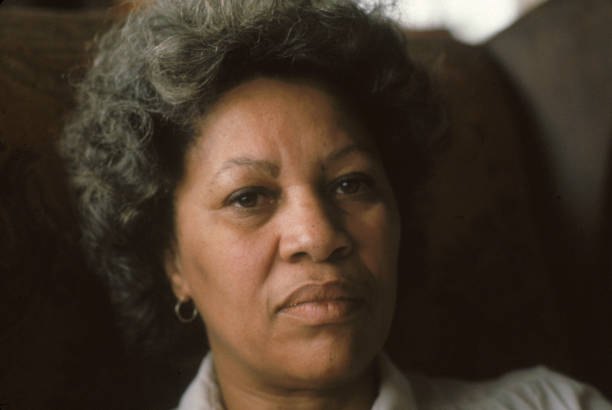
Toni Morrison lived from 1931–2019 and left behind a legacy that still echoes — a life remembered for Beloved, Black and Literature.
To meet Toni is to meet a person who refused to be small. Every chapter of their story is a study in conviction: what they believed, who they fought for, what they were willing to risk to say it out loud.
The chat below is the closest thing to a conversation with them — drawn from their own words, interviews, and documented beliefs. Ask Toni anything. Hear it back in their voice.
What They Stood For
Beloved ran through everything Toni touched. It shaped the work, the words, and the way the world remembers them.
Black ran through everything Toni touched. It shaped the work, the words, and the way the world remembers them.
Literature ran through everything Toni touched. It shaped the work, the words, and the way the world remembers them.
Ask the Legend
Powered by AI trained on their public legacy — interviews, speeches, and documented beliefs.
💌 Want Toni Morrison to speak directly to you?
Get a Personal Message — $9.99Explore Toni Morrison's Legacy
As an Amazon Associate, AskTheLegends.com earns from qualifying purchases.
Their Legacy
Toni Morrison is born — the beginning of a life that would change the world.
Toni becomes one of the defining voices of their era — known for Beloved. Black. Literature.
Toni leaves the world, but the influence, the work, and the words live on.
Did You Know?
01
Before Knopf acquired *The Bluest Eye* in 1970, Morrison's debut was turned down by nearly three dozen publishing houses. She was 39 years old and working as a textbook editor when her first novel finally found its home.
02
As a senior editor at Random House, Morrison championed and edited works by Black writers including Baldwin, Gayl Jones, and Angela Davis—mentoring a generation while crafting her own novels in stolen hours.
03
Morrison held the Robert Goheen Professorship at Princeton University starting in 1989, but earlier in her career she taught at Texas Southern University and other institutions, balancing academic life with the long labor of her novels.
04
When she received the 1993 Nobel Prize in Literature, Morrison became the first Black woman to win the award—a recognition that came after decades of critical struggle and, as she noted, vindicated the literary legitimacy of Black storytelling itself.
In Their Own Words
If there's a book that you want to read, but it hasn't been written yet, then you must write it.
We die. That may be the meaning of life. But we do language. That may be the measure of our lives.
Freeing yourself was one thing, claiming ownership of that freed self was another.
Quotes sourced from public record.
The Question of Our Time
What would Toni Morrison say about the fight over whose stories get told in schools today?
Language is power. When you control what narratives enter the classroom, you control the inner life of children—their sense of who belongs in literature, in history, in the future itself. The assault on storytelling is not new; it is the oldest form of erasure. What matters is that Black writers, women writers, all those deemed 'marginal,' continue to insist on our own authority. We must write ourselves into being because the gatekeepers will always resist. The canon is not fixed; it is a choice made by people in power. Make a different choice.
— In the voice of Toni Morrison, generated by AI
Go Deeper
Books
The biographies, memoirs, and writings that document Toni Morrison's life and ideas.
Shop Books on AmazonMusic
The music Toni made, inspired, or was scored by — the soundtrack of their world.
Hear the Music on AmazonDocumentary
Films and documentaries that bring Toni's story to the screen.
Watch the Films on AmazonBeloved. Black. Literature.. They are remembered as one of the most influential figures in Civil Rights.
Toni Morrison is known for their groundbreaking impact on Civil Rights. Their legacy continues to inspire millions worldwide.
Yes. AskTheLegends.com uses AI to simulate conversations with Toni Morrison, letting you ask questions and get responses inspired by their real words and philosophy.
Browse Toni Morrison books, albums, and documentaries on Amazon using the legacy links at the bottom of this page.
Daily Wisdom from the Legends
Get daily wisdom from the legends — free. Straight to your inbox.