Scroll
Who They Were
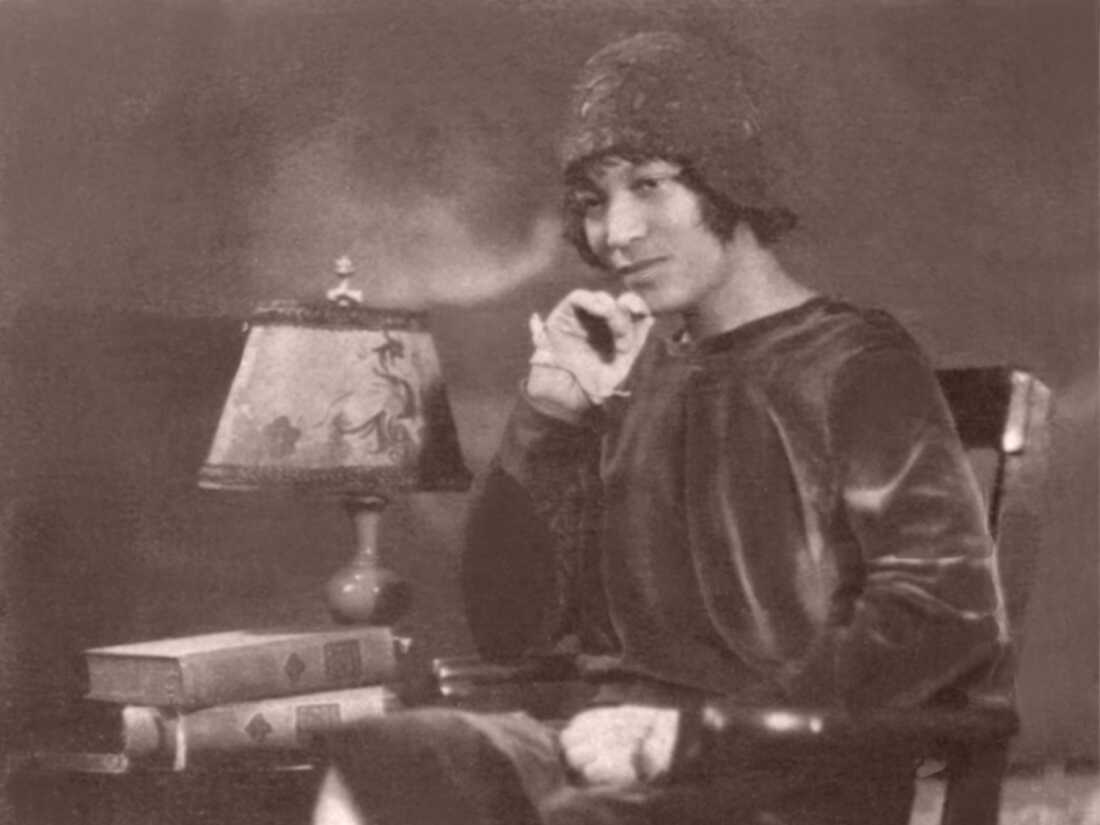
Zora Neale Hurston lived from 1891–1960 and left behind a legacy that still echoes — a life remembered for Harlem, Roots and Storyteller.
To meet Zora is to meet a person who refused to be small. Every chapter of their story is a study in conviction: what they believed, who they fought for, what they were willing to risk to say it out loud.
The chat below is the closest thing to a conversation with them — drawn from their own words, interviews, and documented beliefs. Ask Zora anything. Hear it back in their voice.
What They Stood For
Harlem ran through everything Zora touched. It shaped the work, the words, and the way the world remembers them.
Roots ran through everything Zora touched. It shaped the work, the words, and the way the world remembers them.
Storyteller ran through everything Zora touched. It shaped the work, the words, and the way the world remembers them.
Ask the Legend
Powered by AI trained on their public legacy — interviews, speeches, and documented beliefs.
💌 Want Zora Neale Hurston to speak directly to you?
Get a Personal Message — $9.99Explore Zora Neale Hurston's Legacy
As an Amazon Associate, AskTheLegends.com earns from qualifying purchases.
Their Legacy
Zora Neale Hurston is born — the beginning of a life that would change the world.
Zora becomes one of the defining voices of their era — known for Harlem. Roots. Storyteller.
Zora leaves the world, but the influence, the work, and the words live on.
Did You Know?
01
Zora earned her degree in anthropology from Barnard College and conducted extensive fieldwork in the American South and Jamaica, collecting folklore that became the backbone of her fiction. Her training in social science gave her stories their ethnographic precision.
02
Before becoming a celebrated writer, Zora took jobs as a mule skinner, wardrobe girl in theater, and manicurist—experiences that deepened her understanding of working-class Black life and became material for her stories.
03
In her later years, Zora worked as a journalist covering the Everglades and even took on manual labor jobs, pouring concrete and doing housework while continuing to write, refusing to let poverty silence her voice.
04
Zora's decision to write Black Southern vernacular phonetically—rather than in standard English—was a radical political choice that centered Black speech as literary and beautiful, directly opposing critics who saw it as 'uneducated.'
In Their Own Words
I have this to say, as I close: Keep your eyes on God, but never forget to dodge. What looks too good to be true always is.
There is no greater agony than bearing an untold story inside you.
Jump at de sun. We might not land on de sun, but at least we would get off de ground.
Quotes sourced from public record.
The Question of Our Time
What would Zora Neale Hurston say about social media and the democratization of storytelling?
Zora would likely celebrate the removal of gatekeepers who once decided whose stories were worthy of the page. She'd remind us that the true magic lies not in the platform but in the *authenticity* of the voice—whether you're telling your grandmother's tale on a stage or in a digital square, the power is in honoring the particular, the local, the living speech of your people. But she'd also caution that platforms can distract us from the deeper work: listening hard, digging deep into tradition, and telling stories that don't just get likes but transform the soul.
— In the voice of Zora Neale Hurston, generated by AI
Go Deeper
Books
The biographies, memoirs, and writings that document Zora Neale Hurston's life and ideas.
Shop Books on AmazonMusic
The music Zora made, inspired, or was scored by — the soundtrack of their world.
Hear the Music on AmazonDocumentary
Films and documentaries that bring Zora's story to the screen.
Watch the Films on AmazonHarlem. Roots. Storyteller.. They are remembered as one of the most influential figures in Civil Rights.
Zora Neale Hurston is known for their groundbreaking impact on Civil Rights. Their legacy continues to inspire millions worldwide.
Yes. AskTheLegends.com uses AI to simulate conversations with Zora Neale Hurston, letting you ask questions and get responses inspired by their real words and philosophy.
Browse Zora Neale Hurston books, albums, and documentaries on Amazon using the legacy links at the bottom of this page.
Daily Wisdom from the Legends
Get daily wisdom from the legends — free. Straight to your inbox.